A hospital delivery room needs more than standard medical furniture. It is a space where clinical care, patient comfort, safety, hygiene and efficient workflow must come together. Every piece of furniture used in a labour and delivery area plays an important role in supporting healthcare professionals while creating a more comfortable environment for mothers during one of the most important stages of care.
Choosing the right hospital delivery room furniture therefore requires careful consideration. Labour beds, LDRP beds, labour tables and gynaecological examination couches should be selected according to the clinical requirements of the hospital, the needs of healthcare professionals and the comfort of the patient.
For hospitals, maternity centres and specialised mother-and-child care facilities, well-designed furniture can help support different stages of labour, examination, delivery and post-delivery care. As a manufacturer and supplier of hospital furniture, INDTECH Healthcare provides specialised solutions for maternity and mother-care environments, including labour beds, LDRP beds, labour tables and examination couches.
Why the Right Delivery Room Furniture Matters
The delivery room is a highly active clinical environment. Healthcare professionals may need to examine the mother, monitor labour, assist with delivery and provide immediate post-delivery care within the same space.
This makes flexibility particularly important.
A suitable delivery room bed should allow healthcare professionals to position the patient appropriately during different stages of labour and delivery. At the same time, the furniture should provide adequate support and comfort for the mother.
The right furniture can contribute to:
- Better patient positioning during labour and delivery
- Improved accessibility for doctors and nurses
- Efficient use of delivery room space
- Easier cleaning and infection-control practices
- Greater patient comfort
- Safer clinical procedures
- More organised maternity care workflows
Rather than selecting furniture based only on appearance or basic specifications, hospitals should consider how each product will perform in real clinical situations.
Understanding Labour Beds and LDRP Beds
Labour beds and LDRP beds are both important components of modern maternity care, but their intended applications can differ.
A labour bed is primarily designed to support women during labour and the delivery process. It needs to provide appropriate positioning, stability and accessibility for healthcare professionals.
An LDRP bed, meanwhile, is designed around the concept of Labour, Delivery, Recovery and Postpartum care. The aim is to support multiple stages of maternity care using a specialised bed, potentially reducing the need to move the patient between different areas.
This can be particularly useful in maternity units where continuity of care and efficient space utilisation are important considerations.
When choosing between different models, hospitals should assess their patient-care model, room configuration, clinical workflow and expected patient volume.
Key Factors When Choosing Hospital Delivery Room Furniture
1. Patient Comfort
Labour can be physically demanding and may last for several hours. The furniture used during this period should therefore provide appropriate support and allow positioning changes when required.
Comfort is not simply about cushioning. The overall design, mattress support, positioning options and accessibility of the bed can all influence the patient experience.
A well-designed labour or LDRP bed should support the mother throughout the different stages of care without unnecessarily restricting movement.
2. Positioning and Adjustability
One of the most important considerations when selecting maternity furniture is adjustability.
During labour and delivery, healthcare professionals may require different patient positions depending on the stage of labour, examination requirements or delivery procedure.
Beds with appropriate positioning functions can help clinicians achieve the required working position while maintaining patient support.
This is why hospitals should evaluate the available adjustment mechanisms and determine whether they are suitable for their specific clinical requirements.
3. Clinical Accessibility
Delivery room furniture should allow doctors, nurses and other healthcare professionals to work efficiently around the patient.
The bed should provide appropriate access from relevant sides and allow healthcare professionals to perform examinations and procedures without unnecessary obstruction.
In a busy maternity unit, practical accessibility can make a significant difference to workflow.
4. Hygiene and Infection Control
Maternity furniture is exposed to bodily fluids and requires frequent cleaning and disinfection. Materials and surfaces should therefore be selected with hygiene in mind.
Furniture with easy-to-clean surfaces, suitable upholstery and minimal areas where contaminants can accumulate can support regular cleaning protocols.
Hospitals should also consider how easily removable or accessible components can be cleaned and maintained.
5. Stability and Safety
Safety is a fundamental consideration in any hospital furniture selection, particularly in maternity care.
Labour and delivery beds should provide stable support during patient repositioning and clinical procedures. Hospitals should review the product's construction, load capacity, locking mechanisms, movement controls and other relevant safety features before purchase.
The furniture should be appropriate for the intended patient population and clinical environment.
Labour Table: Supporting Delivery Procedures
A labour table is another important piece of furniture in a maternity or delivery department.
Unlike a conventional hospital bed, a labour table is specifically designed to support procedures associated with childbirth. Its configuration should allow healthcare professionals to work effectively while providing appropriate support to the mother.
When evaluating a labour table, hospitals should consider:
- Patient positioning requirements
- Ease of access for medical staff
- Structural stability
- Ease of cleaning
- Material quality
- Available adjustment functions
- Compatibility with the delivery room workflow
A properly selected labour table can become an important part of an organised and functional delivery environment.
Gynaec Examination Couch for Maternal Care
Not every patient entering a maternity department will immediately require a delivery bed. Examination and antenatal care are also important parts of the patient journey.
A gynaec examination couch is designed to support examinations and consultations related to women's healthcare.
It can be used in maternity departments, gynaecology clinics, hospitals and specialised women's healthcare facilities.
When selecting an examination couch, hospitals should look for a design that provides patient support while allowing healthcare professionals appropriate access during examinations.
The couch should also be practical to clean and maintain, particularly in high-use clinical environments.
Featured Mother Care Furniture from INDTECH Healthcare
INDTECH Healthcare offers a range of specialised products for Mother Care environments, helping hospitals and healthcare facilities select furniture according to their maternity-care requirements.
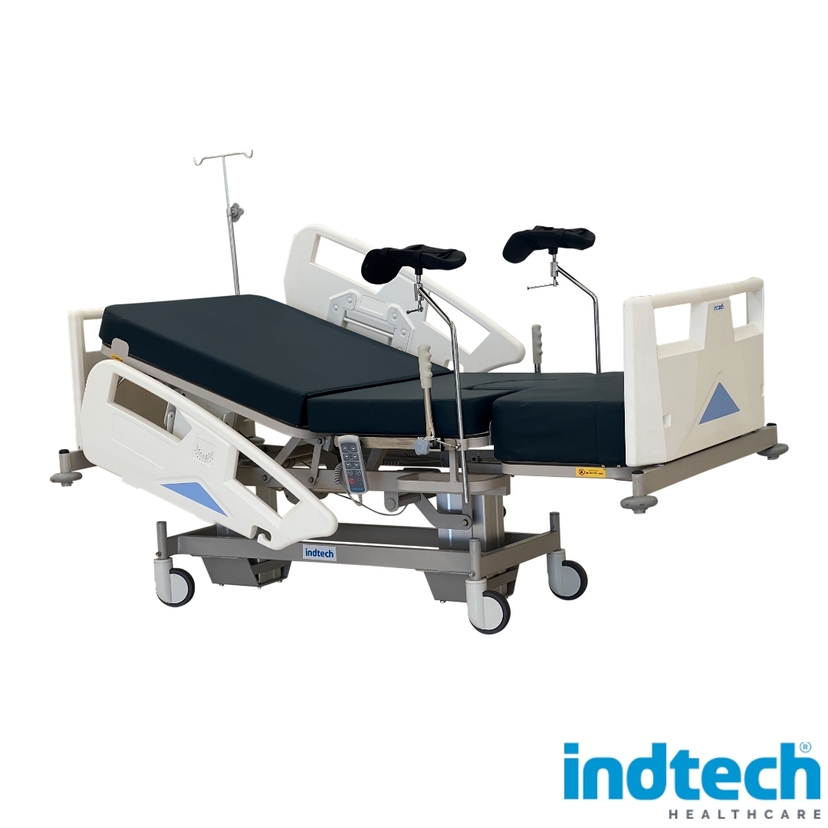
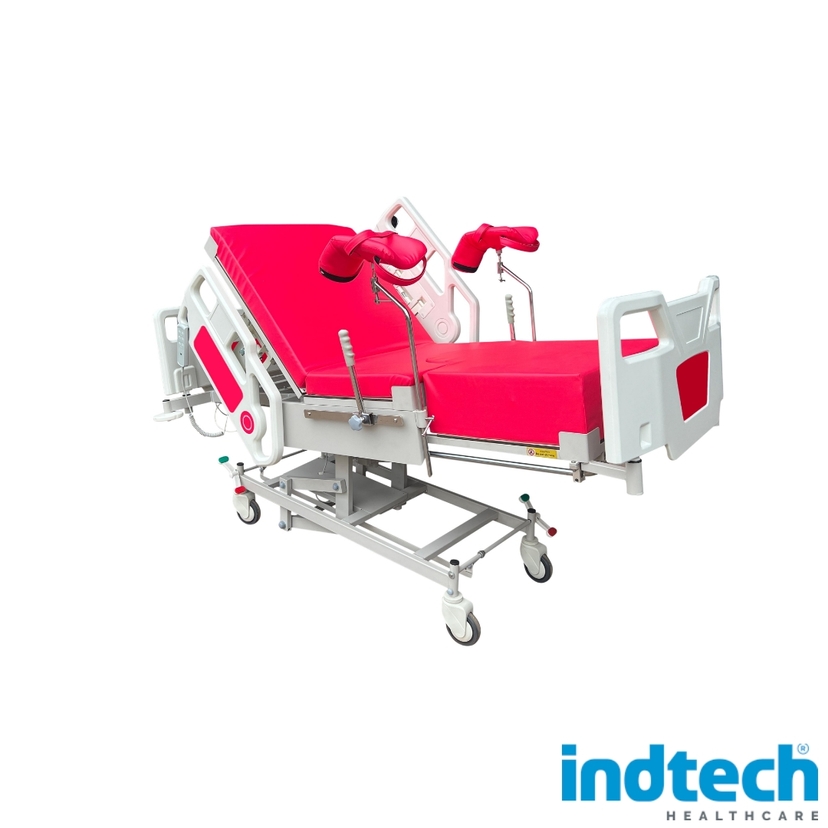
MOMENTA LDRP BED
The MOMENTA LDRP BED is designed for maternity environments where a single specialised bed can support different stages of labour, delivery, recovery and postpartum care.
For hospitals planning an LDRP-based care model, selecting an appropriately designed bed can help create a more organised patient-care environment.
The MOMENTA LDRP BED can be considered as part of a comprehensive maternity furniture setup alongside examination and delivery equipment.
MOMENTA LITE LDRP BED
The MOMENTA LITE LDRP BED provides another option for hospitals looking for specialised LDRP furniture.
When selecting an LDRP bed, hospitals should consider room size, expected patient requirements, clinical workflow and the functions needed by their maternity-care team.
A suitable LDRP solution can help hospitals create a more adaptable care environment while keeping the patient's comfort and clinical requirements in focus.
Labour Table
The LABOUR TABLE is designed specifically for maternity and delivery environments. It forms an important part of a delivery room setup where healthcare professionals require specialised furniture for labour and delivery procedures.
Hospitals should evaluate the table according to their clinical requirements, available space and workflow before making a selection.
Gyanec Examination Couch
The GYANEC EXAMINATION COUCH is intended for gynaecological and maternal examinations.
It can complement labour and LDRP beds within a wider Mother Care setup, providing a dedicated solution for examinations and related clinical procedures.
LDRP Bed
TheLDRP BEDis another specialised solution for maternity departments seeking furniture designed around labour, delivery, recovery and postpartum care.
Using appropriate specialised furniture throughout the maternity department can help create a more consistent clinical environment while supporting the different stages of maternal care.
Labour Beds vs LDRP Beds: Which One Should a Hospital Choose?
There is no single solution that suits every maternity facility.
A labour bed may be appropriate when the hospital follows a care model where the mother moves between different stages or areas of the maternity department.
An LDRP bed may be more suitable for facilities that aim to provide labour, delivery, recovery and postpartum care within a more continuous patient environment.
The decision should be based on the hospital's:
Patient-care model: Understand how patients move through labour, delivery and recovery.
Room configuration: Consider available space and how healthcare professionals need to move around the bed.
Clinical requirements: Identify the positioning, accessibility and procedural requirements of the maternity team.
Patient volume: High-volume maternity units may have different furniture requirements compared with smaller maternity centres.
Maintenance requirements: Consider cleaning, servicing and long-term maintenance when comparing products.
Creating a Better Delivery Room Environment
Hospital furniture is only one part of an effective delivery room. The overall environment should be planned around patient safety, clinical efficiency and infection control.
The placement of beds, examination furniture, medical equipment and storage should allow healthcare professionals to move efficiently around the room.
Adequate space should be maintained around the primary patient-care area, while furniture should be positioned so that commonly required equipment remains accessible.
Lighting, privacy, ventilation, sanitation facilities and emergency accessibility should also be considered during delivery room planning.
A well-designed maternity environment ultimately supports both sides of care: the healthcare professional's ability to work efficiently and the mother's need for safety, privacy and comfort.
Why Choose the Right Hospital Furniture Manufacturer?
Choosing the right manufacturer is as important as selecting the right product.
Hospitals should evaluate the manufacturer's experience in healthcare furniture, product range, construction quality, technical specifications, after-sales support and ability to understand clinical requirements.
For maternity departments, working with a manufacturer that offers multiple Mother Care products can also simplify procurement and help hospitals develop a more coordinated furniture setup.
INDTECH Healthcare provides specialised hospital furniture solutions for different healthcare environments, including products for Mother Care, patient transfer, hospital beds and other clinical applications.
Final Thoughts
The art of choosing the right hospital delivery room furniture lies in balancing patient comfort, clinical functionality, safety, hygiene and long-term practicality.
Labour beds, LDRP beds, labour tables and gynaec examination couches each have a specific role within the maternity-care environment. Selecting them based on actual clinical requirements rather than appearance alone can help hospitals create delivery rooms that are more functional and patient-focused.
Whether you are setting up a new maternity department, upgrading an existing delivery room or expanding a hospital's Mother Care facilities, specialised furniture should be treated as an important part of the overall clinical infrastructure.
With specialised solutions such as the MOMENTA LDRP BED, MOMENTA LITE LDRP BED, LDRP BED, LABOUR TABLE and GYANEC EXAMINATION COUCH, INDTECH Healthcare supports hospitals and healthcare facilities looking for purpose-built maternity furniture.
Looking for Labour Beds & Labour Tables in Kerala or Bangalore?
INDTECH Healthcare is a hospital furniture manufacturer and supplier serving healthcare facilities across India. If you are planning a maternity department or looking for labour beds, LDRP beds, labour tables or gynaec examination couches, explore the Mother Care range and connect with the INDTECH Healthcare team to discuss your requirements.
Frequently Asked Questions
1. What is hospital delivery room furniture?
Hospital delivery room furniture includes specialised equipment and furniture used during labour, delivery, examination, recovery and postpartum care. Common examples include labour beds, LDRP beds, labour tables and gynaecological examination couches.
2. What is an LDRP bed?
An LDRP bed is designed to support Labour, Delivery, Recovery and Postpartum care. It can help facilitate a more continuous patient-care process within a maternity environment.
3. What is the difference between a labour bed and an LDRP bed?
A labour bed is primarily intended to support patients during labour and delivery, while an LDRP bed is designed to support multiple stages including labour, delivery, recovery and postpartum care.
4. Why is adjustability important in a labour bed?
Adjustability allows healthcare professionals to position the patient appropriately for different stages of labour, examinations and delivery procedures while supporting patient comfort.
5. What should hospitals consider when buying an LDRP bed?
Hospitals should consider patient comfort, positioning options, safety, load capacity, accessibility, hygiene, room size, clinical workflow, maintenance and the manufacturer's support.
6. What is a labour table used for?
A labour table is specialised maternity furniture designed to support childbirth-related procedures while providing appropriate access for healthcare professionals.
7. What is a gynaec examination couch?
A gynaec examination couch is designed to support gynaecological and maternal examinations. It is commonly used in hospitals, maternity departments and women's healthcare clinics.
8. Why is hygiene important when selecting maternity furniture?
Maternity furniture requires frequent cleaning and disinfection. Easy-to-clean surfaces and suitable materials can help healthcare facilities maintain their infection-control procedures.
9. Where can hospitals buy labour beds in Kerala and Bangalore?
Hospitals can source labour beds and related maternity furniture from specialised hospital furniture manufacturers such as INDTECH Healthcare, depending on their product requirements and location.
10. What Mother Care products does INDTECH Healthcare offer?
INDTECH Healthcare's Mother Care range includes products such as the MOMENTA LDRP BED, MOMENTA LITE LDRP BED, LDRP BED, LABOUR TABLE and GYANEC EXAMINATION COUCH.